Vanilla Ice, "Under Pressure" and an expensive bassline
"Ice Ice Baby" became the first hip-hop single to top the Billboard Hot 100, but its hook used the bassline from Queen and David Bowie's "Under Pressure" without credit. The settlement changed the songwriting credits.
Two songs, one bassline
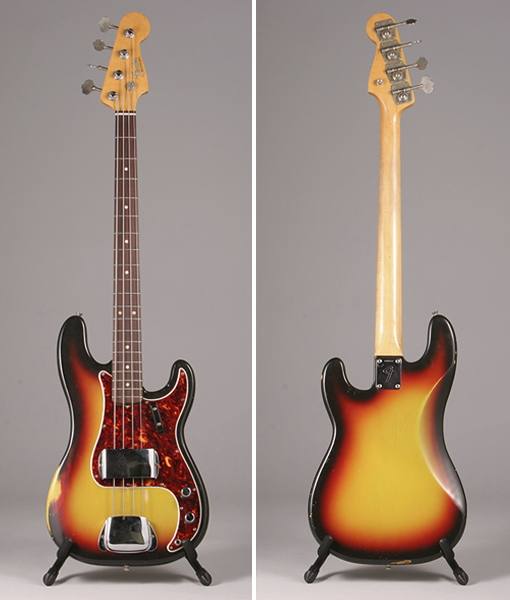
In 1981 Queen and David Bowie released "Under Pressure," a collaboration built around a simple, instantly recognizable bassline. Nine years later, rapper Vanilla Ice (Robert Van Winkle) released "Ice Ice Baby." Its hook used that same bassline, sampled and looped.
"Ice Ice Baby" exploded. In late 1990 it became the first hip-hop single to reach number one on the US Billboard Hot 100. That success also meant everyone heard the bassline, including the people who wrote it.
No credit, then a dispute
Queen and Bowie had not been credited as writers, and they were not receiving royalties. Representatives for Queen and Bowie threatened a copyright infringement suit.
Vanilla Ice's public defense became famous for the wrong reasons. In a widely shown interview he argued that his line was different because of an extra note, singing the two basslines side by side to prove the point. Most listeners heard the same riff. The clip is still passed around as an example of how not to explain a copyright problem.
The settlement
The matter was settled out of court. Vanilla Ice paid the original artists, and Bowie and all members of Queen were given songwriting credit on "Ice Ice Baby." The exact terms were private, so any dollar figure you see online should be treated with caution.
How sampling works
Sampling means taking a piece of an existing recording and reusing it in a new song. Hip-hop was built on sampling, and many classic tracks use pieces of older records. The legal side is simple in principle:
| Part of a song | Who owns it | What a sampler needs |
|---|---|---|
| The recording (master) | Usually the record label | Permission to use the actual audio |
| The composition (notes and words) | Songwriters and publishers | Permission and usually a share of credit |
If you replay a riff yourself instead of sampling the audio, you still use the composition, so you still need the songwriters' permission. "Clearing" a sample means getting those permissions before release.
In the late 1980s, sample clearing was still informal in many studios. Cases like this one, along with other lawsuits in the early 1990s, pushed the industry toward clearing samples properly before a song comes out.
What it teaches
- Credit the source. Using someone else's work without credit can cost far more than asking first.
- Success makes problems visible. A small underground release might have gone unnoticed. A number-one single did not.
- Do not argue the obvious. When everyone can hear the similarity, a technical excuse makes things worse.
- Fixes can be fair. Adding the original writers as credited songwriters is now the standard way to settle many sampling disputes.
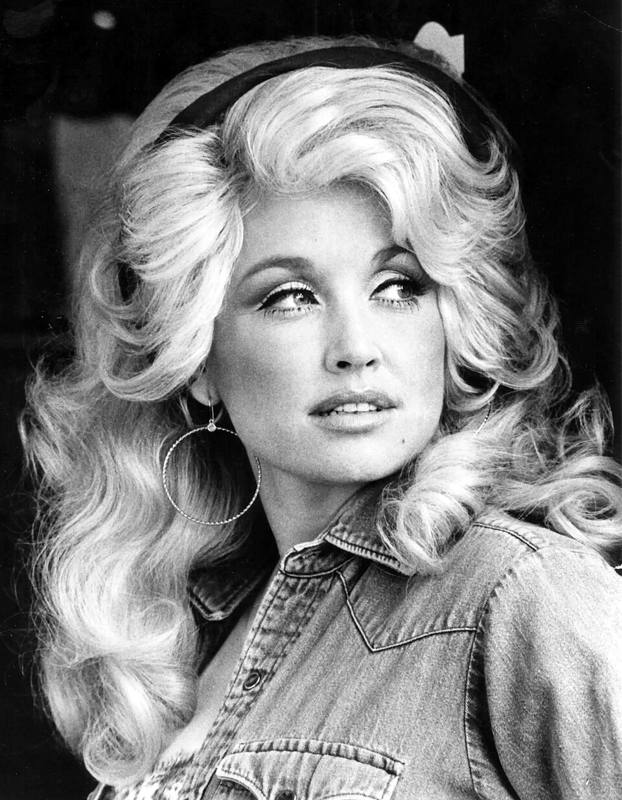
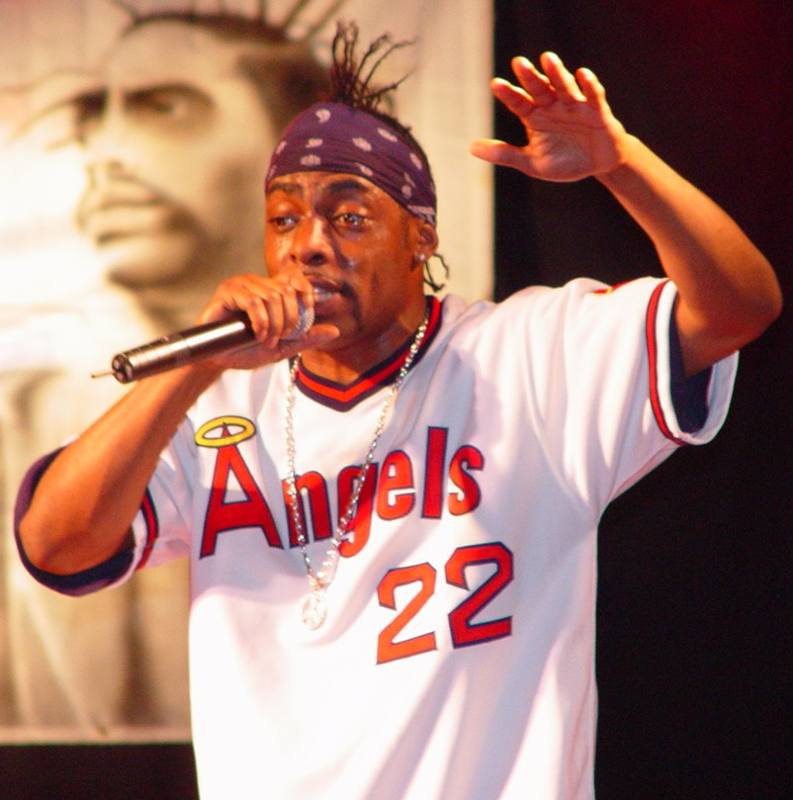
Compare this with a parody dispute in Coolio and "Amish Paradise", and with a songwriter who protected her rights in Dolly Parton's story. Sampling and clearance are defined in the glossary.