The DJ who played Bohemian Rhapsody 14 times in two days
Queen were told their six-minute song was too long for radio. London DJ Kenny Everett played it 14 times in two days in 1975, and it became a nine-week UK number one.
A song that broke the rules
In 1975 Queen finished "Bohemian Rhapsody," a song by Freddie Mercury that moved from ballad to mock opera to hard rock and back again. It ran about six minutes. Radio singles at the time were usually around three minutes, and the conventional wisdom was that stations would not play anything that long.
The band were advised to cut it down. They did not want to. The whole point of the song was its strange, shifting structure.
A copy for a friend
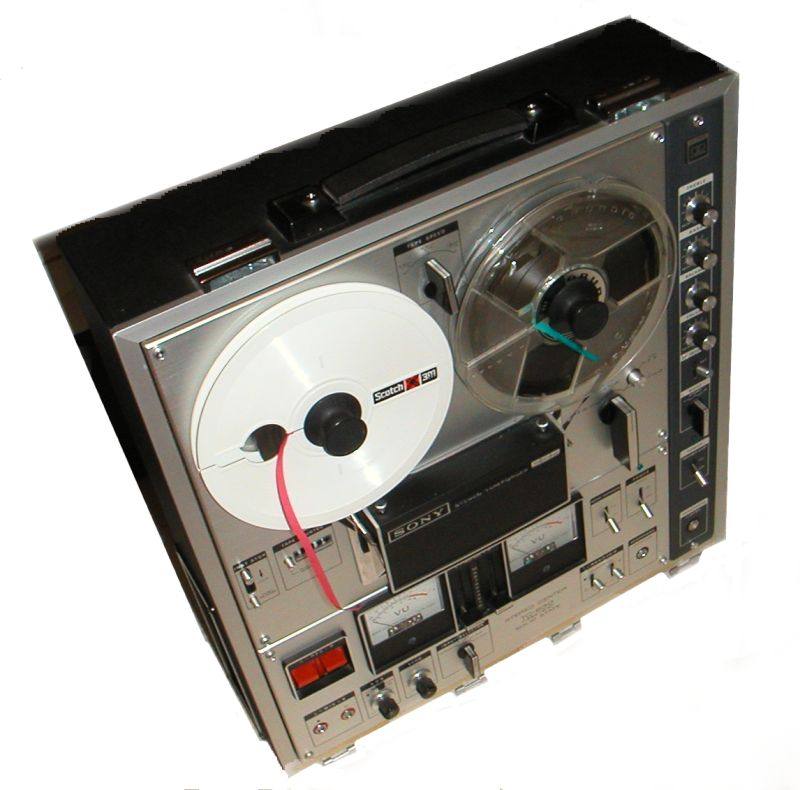
Queen had a friend in Kenny Everett, a popular DJ on Capital Radio in London. According to the band's producer Roy Thomas Baker, they gave Everett a reel-to-reel copy on the condition that he promise not to play it on air. Everett agreed, reportedly with a wink.
He kept to the letter of the promise for a while, teasing listeners with only snippets of the song. Then he played the whole thing. Over a weekend in October 1975, he played the full song on his show 14 times in two days.
The demand snowballs
Listeners flooded record shops asking for a single that had not been released yet. The same weekend, a US radio executive heard the track on Everett's show in London and helped push it in America. Soon other DJs got copies and started playing it too.
The label released the single at full length. It went to number one in the UK and stayed there for nine weeks, becoming the 1975 Christmas number one. When Freddie Mercury died in 1991, the song returned to number one for another five weeks. It is one of the best-selling singles in UK history.
| Fact | Detail |
|---|---|
| Length | About six minutes |
| Plays by Everett | 14 in two days, October 1975 |
| First UK run at number one | 9 weeks, including Christmas 1975 |
| Second UK run at number one | 5 weeks, after Mercury's death in 1991 |
A video that changed promotion
Because the song was hard to perform live on TV shows, Queen made a promotional film for it. The video, with its famous shot of four faces lit from above against a dark background, is often credited with helping make music videos a standard part of promoting a single.
Kenny Everett's role was later shown in the 2018 film about Mercury and the band, which won several Oscars.
What it teaches
- One champion can change everything. A single DJ who loved the song did what months of label meetings could not.
- Scarcity creates demand. Fans heard a song they could not buy, and that made them want it more.
- Break rules on purpose. Queen kept the six-minute version because the length was part of the art.
- Promises are tricky. Everett's wink is part of the legend, and a reminder that the best marketing sometimes looks like an accident.
Compare it with a label that said no in the Beatles' Decca audition, and a song that found a second life online in the story of the Rickroll.