Dolly Parton said no to Elvis and kept her biggest song
Elvis Presley wanted to record "I Will Always Love You," but his manager wanted half the publishing rights. Dolly Parton refused, and the song later became a record-breaking hit.
A goodbye song
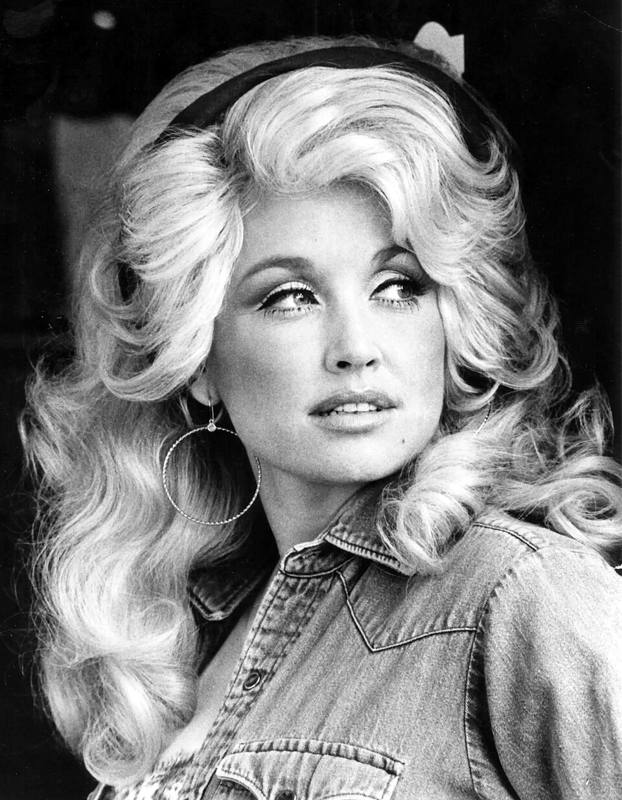
In 1973 Dolly Parton wrote "I Will Always Love You" as a farewell to Porter Wagoner, her mentor and business partner. She had spent about seven years on his television show and touring with him, and she was ready to go solo. Rather than a romantic breakup song, it was a thank-you and a goodbye to a working partnership.
Her recording came out in 1974 and went to number one on the US country chart in June of that year.
The offer from Elvis
When the song hit number one, Elvis Presley let it be known that he wanted to record it. For a young songwriter, that was about as big as an offer could get. Parton has said she was thrilled and was ready to say yes.
Then came the catch. Presley's manager, Colonel Tom Parker, told her it was standard procedure for songwriters to sign over half of the publishing rights to any song Elvis recorded. Parton said no. She has told the story many times, explaining that the song was too important to her and that she could not give away half of something she had written. She has also said the decision made her cry, because she loved Elvis and wanted to hear him sing it.
Why publishing rights matter
Owning a song is not the same as performing it. Songwriters and their publishers earn money every time a song is sold, streamed, played on the radio or used in a film. Giving away half the publishing means giving away half of that income forever, no matter who records the song later.
| Who earns | From what |
|---|---|
| Performer | Their own recording: sales, streams, shows |
| Songwriter | Every version of the song, by any artist |
| Publisher | A share of songwriting income, for managing the rights |
By keeping her rights, Parton kept full control of every future version.
The payoff
The song stayed in her catalog. In 1982 Parton re-recorded it for a film soundtrack, and it reached number one on the country chart a second time.
Then, in 1992, Whitney Houston recorded a soaring pop-ballad version for the film The Bodyguard. It spent a then-record 14 weeks at number one on the Billboard Hot 100, became the best-selling single by a woman in the US, and won Houston the Grammy for Record of the Year. Because Parton owned her publishing, she earned songwriter income from that huge hit, and from every cover since.
What it teaches
- Know what you own. Parton understood the value of her song better than the people making the offer.
- Fame is not always the best deal. Saying no to Elvis felt unthinkable, but the terms mattered more than the name.
- A good song outlives a single recording. The same song topped charts in 1974, 1982 and 1992.
- Say no kindly. Parton turned down the deal without burning a bridge, and she still speaks warmly of Elvis.
For a story about what happens when artists use music they do not own, see Vanilla Ice and "Under Pressure". Terms like publishing and royalty are explained in the glossary.