How Fleetwood Mac made Rumours while breaking up
Fleetwood Mac recorded Rumours in 1976 while two couples in the band were splitting. The heartbreak went straight into the songs, and the album sold over 40 million copies.
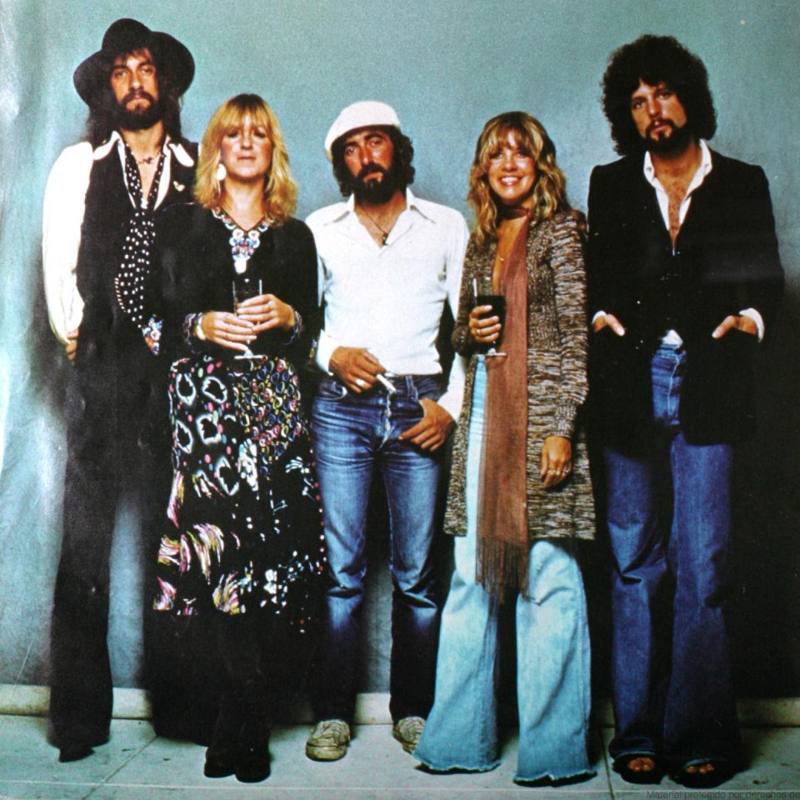
The band before the album
By the mid-1970s Fleetwood Mac had been through many lineups. The version that made Rumours had five members: drummer Mick Fleetwood, bassist John McVie, keyboardist and singer Christine McVie, guitarist and singer Lindsey Buckingham, and singer Stevie Nicks. Their 1975 album Fleetwood Mac was a big hit, and the label wanted a follow-up quickly.
There was one problem. The relationships inside the band were falling apart.
Two couples, one studio
John and Christine McVie were married, and their marriage was ending. Lindsey Buckingham and Stevie Nicks were a long-term couple, and they were splitting up too. Mick Fleetwood was dealing with problems in his own marriage. Heavy drug use made the sessions harder still.
Most of the album was recorded in California in 1976, produced by the band with Ken Caillat and Richard Dashut. Band members who were no longer speaking off the clock still had to sing harmonies together on the clock.
The songs that told the story
Because the band wrote about their own lives, the album reads almost like a set of letters between ex-partners.
| Song | Written by | What listeners heard in it |
|---|---|---|
| "Go Your Own Way" | Lindsey Buckingham | A breakup song widely heard as aimed at Stevie Nicks |
| "Dreams" | Stevie Nicks | A calmer reply about moving on |
| "Don't Stop" | Christine McVie | An optimistic look forward |
| "The Chain" | Credited to all five members | A song about the bond that held the band together |
That mix of hurt and harmony is a big reason the record still connects. Each songwriter tells part of the story, and the others play on it anyway.
Release and success
Rumours came out on February 4, 1977. Its release was pushed back because mixing took longer than planned. It became the band's first number-one album in the UK and topped the US Billboard 200. All four singles reached the US top 10, and "Dreams" went to number one. The album won Album of the Year at the 1978 Grammy Awards.
As of 2023, Rumours had sold more than 40 million copies worldwide, which makes it one of the best-selling albums ever. It was inducted into the Grammy Hall of Fame in 2003 and added to the US National Recording Registry in 2017.
Decades later "Dreams" found a new audience when a relaxed 2020 viral video set to the song sent it back up the charts, introducing the record to listeners who were not born when it came out.
What it teaches
- Honesty sells. The band did not hide what was happening. Fans could feel that the songs were real.
- Professionalism under pressure. Showing up and doing the work while your personal life is in pieces is the quiet heroism behind the album.
- Conflict is not always the end. Fleetwood Mac kept recording and touring together in various forms for decades.
- Great art can outlast the moment. The breakups were painful in 1976. The record is still playing today.
For another band that split and later reunited, read about the Eagles.