Coolio was furious about "Amish Paradise," then admitted he was wrong
In 1996 "Weird Al" Yankovic released a parody of Coolio's hit "Gangsta's Paradise." Coolio objected loudly. Years later, he said publicly that his reaction had been a mistake.
The original hit
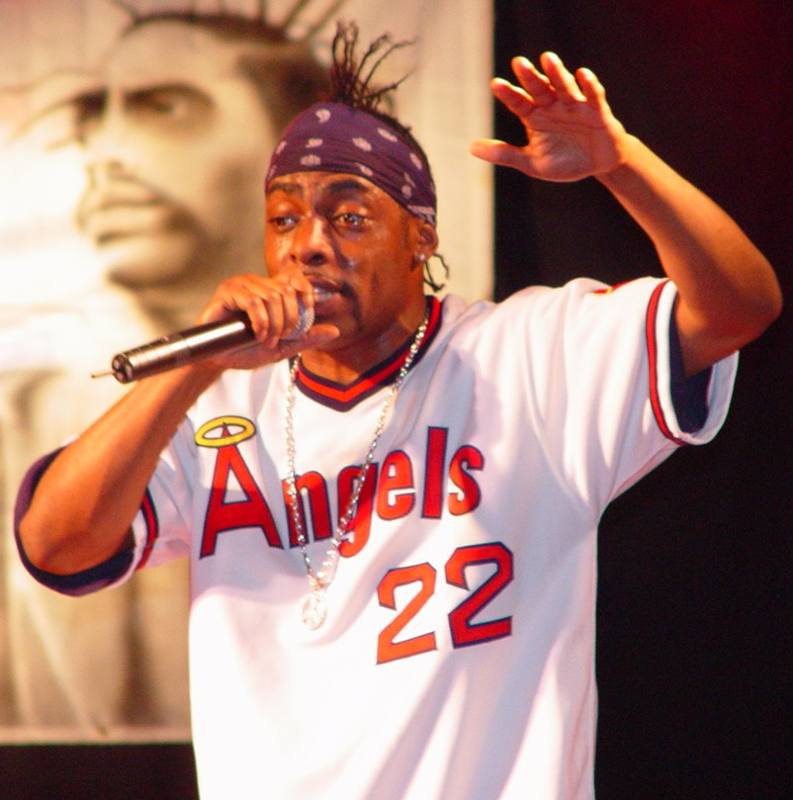
Coolio's "Gangsta's Paradise," featuring the singer L.V., was released on August 1, 1995. Built on an interpolation of Stevie Wonder's 1976 song "Pastime Paradise," it was the top-selling single of 1995 on the Billboard Hot 100 and won Coolio the Grammy for Best Rap Solo Performance. It was a serious, somber song about life on dangerous streets.
The parody
"Weird Al" Yankovic has built a long career on comic parodies of hit songs. He has a well-known personal policy of asking artists for permission before releasing a parody, even though in the US parody can often be protected as fair use.
For "Amish Paradise," released in 1996, Yankovic believed he had permission. He had gone through Coolio's record label, which held rights to the song, and the song's producer. Yankovic offered a share of the revenue. But Coolio himself had not agreed. When the parody came out, he said publicly that he was unhappy with it and had not approved it.
The fallout
Yankovic was embarrassed. He said he had written Coolio a sincere letter of apology. He also noted that Coolio received royalties from the parody, as a songwriter of the original.
For years the story was a well-known example of a parody gone wrong. Then things softened. Photos from a 2006 event suggested the two had made amends.
In a 2014 interview, Coolio said refusing the parody had been "stupid" of him and that he now thought it was funny. In 2016 he went further, saying it had been one of the dumb things he had done and that he was willing to admit it. He pointed out that Yankovic had parodied artists far bigger than him.
Coolio died on September 28, 2022.
Parody, permission and credit
| Situation | What it usually involves |
|---|---|
| Parody | New comic lyrics over the original music, mocking or commenting |
| Sampling | Using a piece of the original recording itself |
| Cover | Performing the song as written, with permission and royalties |
| Interpolation | Re-recording part of an older song's melody in a new one |
Even when permission is not legally required, asking first is a courtesy that avoids exactly this kind of misunderstanding. The label and the artist are not always on the same page, and Yankovic's experience shows why it pays to check with the artist directly.
What it teaches
- Ask the person, not just the paperwork. A legal yes from a company did not mean the artist was on board.
- Apologize sincerely. Yankovic's letter mattered even though it took years to be answered.
- Changing your mind is strength. Coolio's public admission is one of the most gracious endings in pop culture drama.
- Comedy and seriousness can coexist. The parody did not erase the original's message.
Compare this with a dispute over borrowed music in Vanilla Ice and "Under Pressure".