Rick Astley quit music, then the internet made him famous again
Rick Astley retired from music in 1993. Fourteen years later, "Never Gonna Give You Up" became the Rickroll, the internet's longest-running prank, and relaunched his career.
A 1980s hit
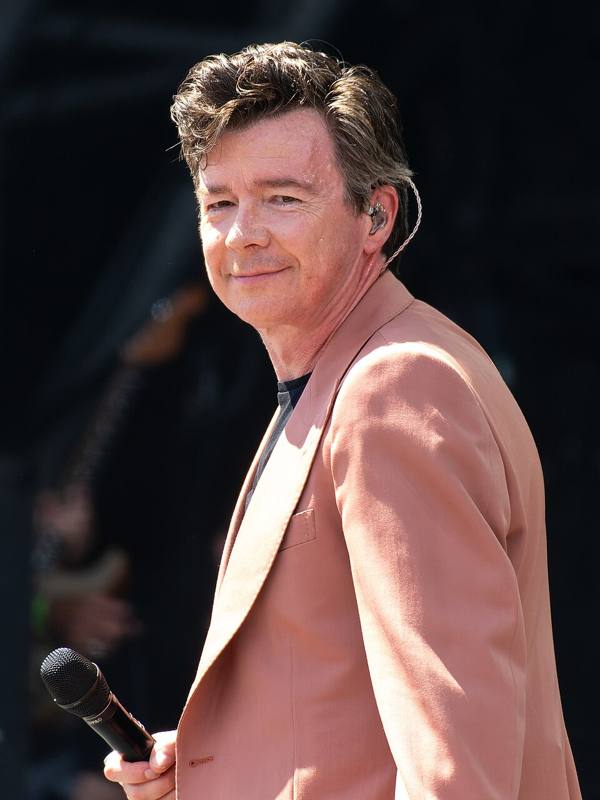
Rick Astley was born on February 6, 1966, in Newton-le-Willows, Lancashire, England. In 1987, at 21, he released "Never Gonna Give You Up," written and produced by the hit-making team Stock Aitken Waterman. It went to number one in the UK and many other countries, and to number one in the US in 1988. The video, with Astley's deep voice, trench coat and enthusiastic dancing, was a staple of music TV.
He kept releasing music into the early 1990s. Then, in 1993, he retired to spend time with his partner and daughter. He was still in his late twenties.
Duckrolls and the birth of the Rickroll
In 2006, users on the website 4chan played a bait-and-switch prank called "duckrolling": a link that promised something interesting led instead to a picture of a duck on wheels.
On May 15, 2007, a user posted a link that claimed to be the trailer for the much-anticipated video game Grand Theft Auto IV. Instead, it led to the music video for "Never Gonna Give You Up." The Rickroll was born. The idea was simple and harmless: trick someone into clicking, and they get Rick Astley instead.
2008: everywhere at once
The prank went mainstream in 2008.
| Date | Rickroll moment |
|---|---|
| April 1, 2008 | YouTube's April Fools' joke sent featured video links on its homepage to the song |
| Fall 2008 | An online vote named Astley "Best Act Ever" at the MTV Europe Music Awards |
| November 2008 | Astley appeared by surprise on a float in the Macy's Thanksgiving Day Parade and rickrolled the live TV audience |
| July 2021 | The official video passed one billion views on YouTube |
Astley was unsure at first. He did not attend the 2008 MTV Europe Music Awards to collect his award. But the parade appearance showed he had decided to join in on the joke, and the public loved him for it.
The comeback
The meme gave Astley a new audience made up mostly of people who were not born when the song came out. He returned to touring and recording. His 2016 album 50 went to number one in the UK, his first chart-topping album since the 1980s. He has since toured widely and become known for his good humor about the prank.
One complication: Astley has said in interviews that, because of how his old record deal was structured, he earned relatively little from the song's online plays. The meme's value to him came mainly from renewed fame and live shows.
Why the Rickroll lasted
Most memes fade in months. The Rickroll has lasted for nearly two decades because:
- It is harmless. Nobody gets hurt. You just hear a cheerful pop song.
- It is easy. Any link can be a Rickroll.
- The song is good. Even people who get pranked often keep listening.
- The artist joined in. Astley's good nature kept the joke friendly.
What it teaches
- Second acts are real. A career that seemed finished came back bigger than expected.
- Play along. Fighting a meme rarely works. Astley embraced it and won.
- Check the contract. Ownership of old songs decides who benefits from a revival.
- Kind jokes last longer. Pranks that make people smile spread further than pranks that embarrass.
For another case of a celebrity becoming a game, read about Six Degrees of Kevin Bacon. "Meme" and "viral" are defined in our glossary.