The Streisand effect: how trying to hide something makes it famous
In 2003 Barbra Streisand sued over an aerial photo of her home that almost nobody had seen. The lawsuit made the photo famous and gave the internet a new term.
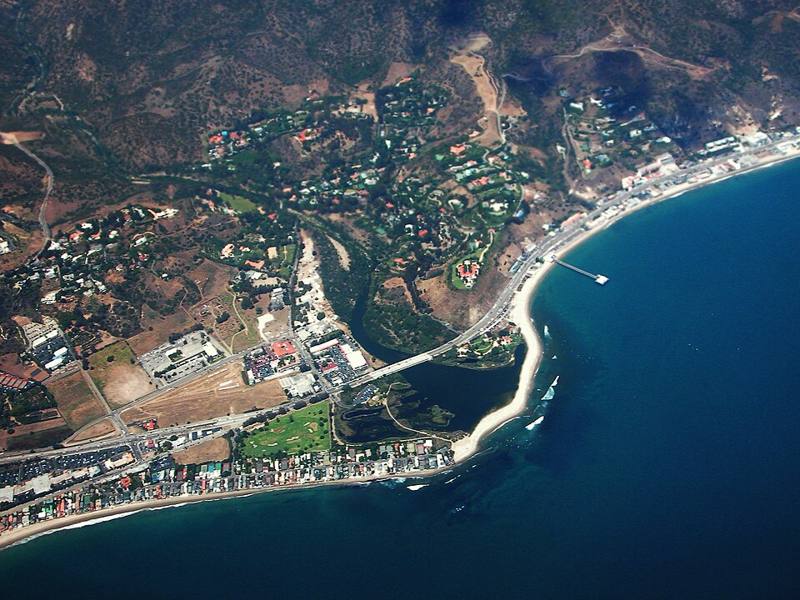
A photo of a coastline
In the early 2000s, photographer Kenneth Adelman ran the California Coastal Records Project. Its goal was to document the entire California coast from the air, to track erosion and development. The project published thousands of photos online, each simply numbered.
One of those photos, "Image 3850," showed a stretch of the Malibu coast that included Barbra Streisand's clifftop home. Nothing in the photo's listing said whose house it was.
The lawsuit
In 2003 Streisand sued Adelman and the photo website Pictopia for 50 million dollars, claiming invasion of privacy. She wanted the image removed.
Before the lawsuit, Image 3850 had been downloaded only six times, and two of those downloads were by Streisand's own attorneys. Once news of the lawsuit spread, more than 420,000 people visited the site over the following month to see the photo. Copies spread across the web, far beyond the original site.
The lawsuit was dismissed. Streisand was ordered to pay Adelman's legal fees, reported as about 177,000 dollars.
The name
Two years later, in 2005, Mike Masnick, the founder of the tech news site Techdirt, coined the term "Streisand effect." He was writing about a different case, in which a beach resort sent a takedown demand to a small humor website, and he used Streisand's lawsuit as the classic example of the pattern.
The term caught on. It is now used worldwide, in news reports, law classes and marketing courses.
How the effect works
| Step | What happens |
|---|---|
| 1 | Something obscure exists online |
| 2 | Someone powerful tries to remove or hide it |
| 3 | The attempt itself becomes news |
| 4 | Curiosity drives far more people to find the original |
| 5 | Copies spread, making removal impossible |
The key ingredient is curiosity. Telling people they cannot see something is one of the fastest ways to make them want to. On the internet, copying is instant and free, so once interest spikes, the material is out of anyone's control.
Famous patterns, not just one case
The Streisand effect shows up whenever a takedown attempt becomes the story: companies trying to remove critical reviews, celebrities trying to scrub embarrassing photos, organizations trying to hide documents. Not every removal request backfires, but the bigger and louder the request, the bigger the risk.
What it teaches
- Check the size of the problem first. Six downloads is not a crisis. A 50-million-dollar lawsuit is.
- Attention is the real risk. The photo was harmless while nobody knew it mattered.
- Quiet requests beat loud ones. A polite, private request often works better than legal action.
- The internet does not forget. Once something is widely copied, it is effectively permanent.
Another case where a celebrity moment changed how the internet works is the green dress that launched Google Images. The term itself is in our glossary.