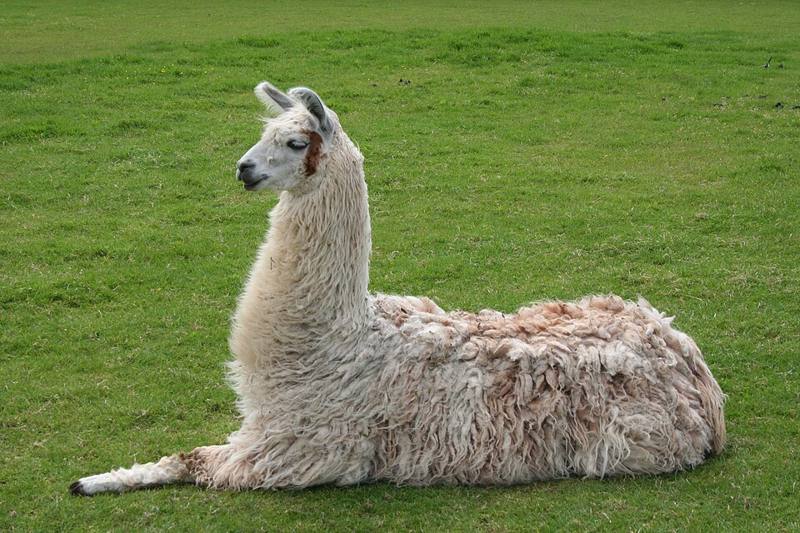
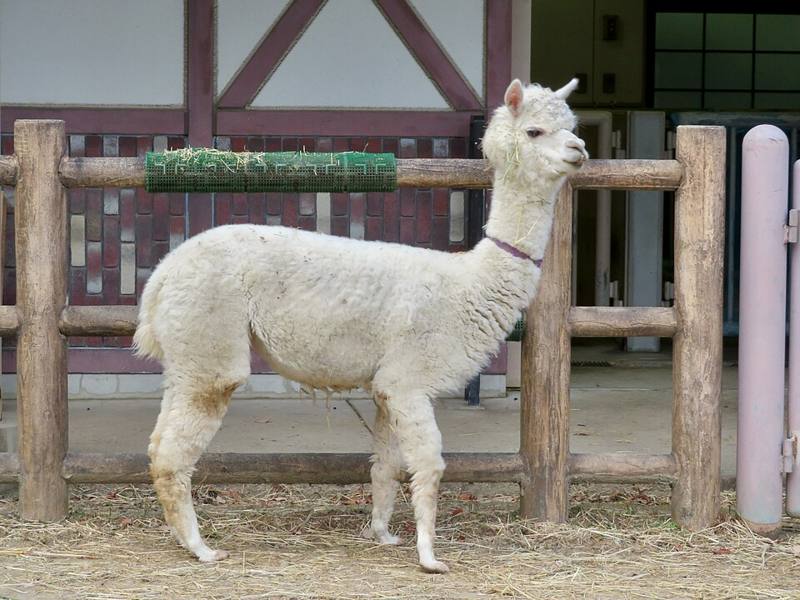
Llamas vs alpacas
Llamas are bigger, with banana-shaped ears, and were bred as pack animals. Alpacas are smaller, with short pointed ears and softer fiber. A side-by-side guide to telling them apart.
Close cousins
Llamas and alpacas are both domesticated camelids from the Andes of South America. They are closely related, can interbreed, and are often kept together. But they were bred for different jobs and have clear differences once you know what to look for.
- The llama was domesticated from the wild guanaco and bred mainly as a pack animal.
- The alpaca was domesticated from the wild vicuna and bred mainly for its fiber.
Side by side
| Feature | Llama | Alpaca |
|---|---|---|
| Scientific name | Lama glama | Vicugna pacos |
| Wild ancestor | Guanaco | Vicuna |
| Typical weight | About 130 to 200 kg (280 to 450 lb) | About 48 to 90 kg (105 to 200 lb) |
| Height at shoulder | About 1.1 to 1.2 m | About 0.8 to 1 m |
| Ears | Long, curved, banana-shaped | Short, straight, spear-shaped |
| Face | Longer face, less fluffy | Shorter, blunter face, often fluffy |
| Back | Straighter, built for carrying | Smaller frame |
| Fiber | Coarser outer coat, softer undercoat | Very fine, soft, uniform fleece |
| Main traditional use | Pack animal, also wool and meat | Fiber |
| Temperament | Often more independent, can be bold | Often more shy, herd-oriented |
Quick tricks to tell them apart
- Look at the ears. Banana ears mean llama; short pointy ears mean alpaca.
- Check the size. If it is taller than most people at the head, it is probably a llama.
- Look at the face. Alpacas often have a fluffy "teddy bear" face; llamas have a longer, leaner face.
- Feel the fiber (only if allowed!). Alpaca fleece is noticeably softer and denser.
Fiber differences
Alpaca fiber is prized for being soft, warm, lightweight and often lanolin-free, which many people find comfortable. It comes in a wide range of natural colors. Alpacas are typically shorn once a year.
Llama fiber has a coarser outer guard hair and a softer undercoat. It is used for rugs, ropes and outerwear, and some llama breeds have finer fleece.
Behavior and spitting
Both animals can spit, mostly at each other, as a warning over food or social rank. Both hum to communicate. Llamas are often bolder and more independent, which is one reason they are used as livestock guardians. Alpacas tend to be more timid and stick closely to their herd. See why llamas spit and guard llamas.
The wild relatives
| Animal | Status | Notes |
|---|---|---|
| Guanaco | Wild | Larger wild camelid, ancestor of the llama, lives from the Andes to Patagonia |
| Vicuna | Wild | Smallest camelid, ancestor of the alpaca, famous for extremely fine fiber |
Vicuna fiber is among the finest and most expensive natural fibers in the world. Vicunas are protected and sheared under regulated programs.
Living together
Llamas and alpacas are often kept in the same pastures. A single llama gelding may even guard a group of alpacas. Their care needs are similar: good pasture or hay, shelter, clean water, regular shearing, nail trimming and veterinary care.
A cross between a llama and an alpaca is called a huarizo.