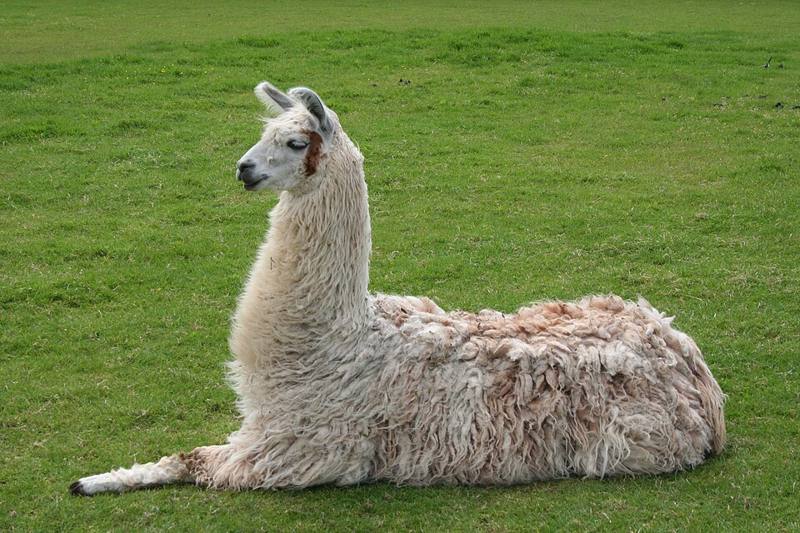
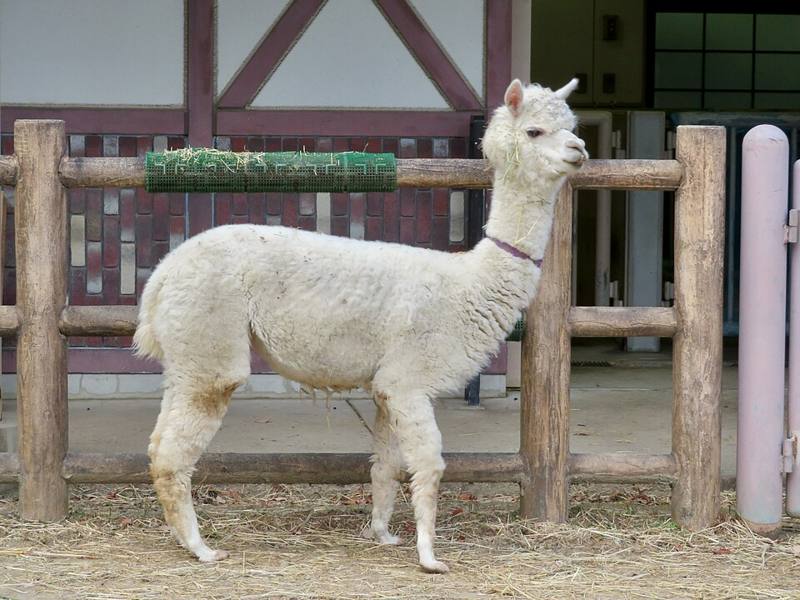
Guard llamas
Farmers in many countries keep llamas to protect sheep, goats and alpacas from coyotes and stray dogs. How guard llamas work, which llamas make the best guardians and their limits.
Llamas on patrol
It sounds like a joke, but it is a real farming practice: guard llamas live with flocks of sheep, goats or alpacas and help protect them from predators. Ranchers in North America, Australia and elsewhere began using them more widely in the 1980s and 1990s as an alternative to guard dogs, traps and poisons.
How they protect a flock
Llamas are naturally alert and wary of canines. A guard llama typically:
- Spots the threat, often a coyote, fox or stray dog.
- Sounds an alarm call, a loud, braying noise that alerts the flock and the farmer.
- Walks or runs toward the predator, with its head high and ears back.
- Positions itself between the predator and the flock.
- Chases, kicks or stomps the intruder if it does not leave.
Many sheep learn to bunch up near the llama when threatened, which makes the flock harder to attack.
What makes a good guard llama
| Trait | Why |
|---|---|
| Gelded (castrated) male or non-breeding female | Calmer, less likely to bother the livestock |
| Adult, around 2 years or older | More mature and confident |
| Alert and confident personality | Responds to threats rather than fleeing |
| Bonded to the flock | Treats the animals as its herd |
| Not over-handled as a baby | Overly socialized llamas can become pushy with people |
Most farmers use one llama per flock. When two llamas are kept together, they often bond with each other and pay less attention to the sheep.
Do guard llamas work?
Surveys of producers in the United States have reported that many farmers using guard llamas saw fewer losses to predators, especially from coyotes. Results vary by farm, terrain, flock size and predator pressure. Llamas work best:
- Against single predators or small groups, such as coyotes, foxes and dogs.
- In open pastures where the llama can see the whole flock.
- With moderate flock sizes, since one llama cannot watch scattered animals over huge, rough areas.
They are less effective against large predators such as bears, or packs of wolves, and can themselves be at risk.
Llamas versus other guardians
| Guardian | Pros | Cons |
|---|---|---|
| Llama | Eats the same feed as sheep; long-lived; little training needed | Limited against large predators and packs |
| Guard dog | Very effective with good training; covers large areas | Needs special food, training and care; may roam |
| Donkey | Dislikes canines; eats similar feed | Can be aggressive to lambs; results vary |
Caring for a guard llama
A guard llama is still a llama with its own needs:
- Good pasture or hay and fresh water.
- Regular shearing, usually once a year in warm climates.
- Toenail trimming, deworming and vaccines as advised by a vet.
- Shelter from extreme heat and cold.
Introducing a guard llama
Farmers usually introduce the llama gradually, first in a pen next to the flock so the animals get used to each other, then together in a small pasture before moving to the full field. Watch closely during the first weeks.
A guard llama is one tool for reducing predator losses, not a guarantee. Good fencing, night penning and monitoring still matter.
Learn more about llama behavior in llama facts and why llamas spit.