Oud, amber and bakhoor
The warm, rich scents loved across the Arabian Peninsula. What oud really is, why amber in perfume is not fossil resin, how bakhoor is used to scent a home and how to enjoy these notes in candles.
Warm scents with deep roots
Oud, amber and bakhoor are at the heart of home fragrance in Saudi Arabia, the Gulf and the wider Middle East. Homes are scented for guests, clothes are perfumed with smoke, and rich woody notes are layered with rose, musk and spices. These scents have also become hugely popular in perfumery around the world.
What oud is
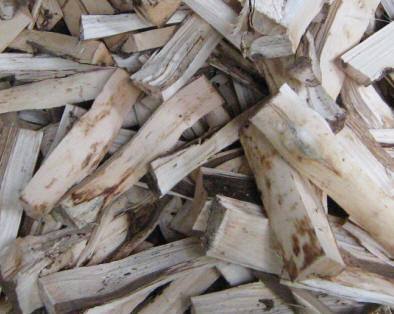
Oud comes from agarwood, the heartwood of Aquilaria trees native to South and Southeast Asia. When a tree is wounded and infected by certain molds, it produces a dark, fragrant resin to protect itself. That resin-filled wood is agarwood.
- Oud wood chips are burned or warmed to release smoke.
- Oud oil is distilled from agarwood and is one of the most expensive fragrance materials in the world.
- Synthetic oud accords recreate the smell for perfumes and candles at a fraction of the cost.
Natural oud smells woody, smoky, leathery and sometimes animalic or earthy. Quality and aroma vary greatly by origin and age.
Wild Aquilaria trees have been heavily harvested, and the trade in agarwood is regulated under the international CITES agreement. Much agarwood today comes from cultivated plantations, where trees are deliberately inoculated to produce resin.
What amber means in perfume
In fragrance, amber usually does not mean the fossilized tree resin used in jewelry. Instead, it describes a warm, sweet, resinous accord, typically built from:
- Labdanum, a sticky resin from the rockrose shrub.
- Benzoin, a vanilla-like balsam.
- Vanilla or vanillin.
- Sometimes tonka bean, styrax or other resins.
The result is cozy, golden and powdery. Amber belongs to the warm family sometimes called amber or oriental. See fragrance families.
Ambergris is different again: a rare material formed in sperm whales, historically used in perfume. Modern perfumery mostly uses synthetic alternatives.
What bakhoor is
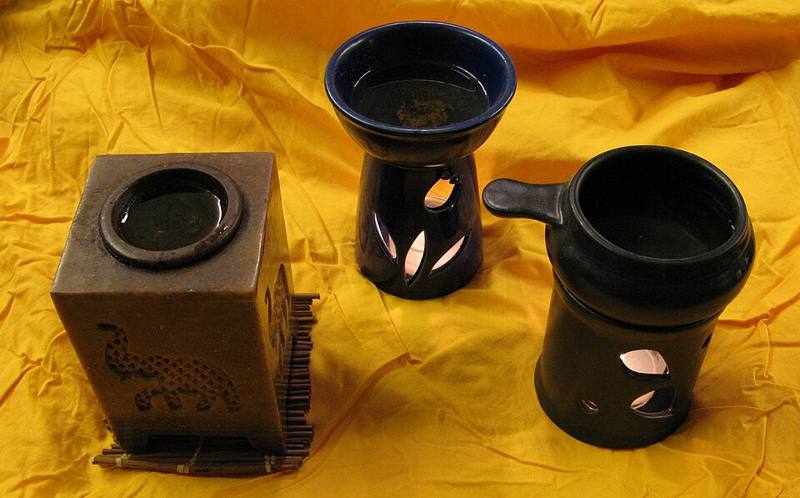
Bakhoor is a home fragrance made from wood chips or pressed blocks soaked in fragrant oils, resins, musk and sometimes sugar or honey. It is warmed on charcoal or an electric burner called a mabkhara, releasing thick, fragrant smoke.
Common uses:
- Scenting a room before guests arrive.
- Perfuming clothes, hair and fabrics by letting smoke drift over them.
- Creating a welcoming atmosphere at gatherings and celebrations.
Comparing the three
| Oud | Amber | Bakhoor | |
|---|---|---|---|
| What it is | Resinous agarwood or its oil | A blended perfume accord | A scented wood product to burn |
| Smell | Woody, smoky, leathery | Sweet, warm, resinous | Varies; often oud, rose, musk, amber |
| Form | Chips, oil, accords | Oils, perfumes, candles | Chips, blocks, pastes |
| Typical use | Perfume, bakhoor, candles | Perfume, candles | Burned at home |
Oud and amber in candles
Candles cannot burn real oud wood, but oud and amber fragrance oils work beautifully in soy wax. Tips:
- These are mostly base notes, so they give long-lasting depth. See top, heart and base notes.
- Pair oud with rose, saffron or vanilla for a classic blend.
- Rich fragrance oils need time to bind with the wax. Let candles cure before judging their throw. See curing and fragrance load.
- Use them in living and dining rooms where a warm scent welcomes guests.
Safety notes
Burn bakhoor only in a heat-safe burner, on a stable surface, with good ventilation and away from curtains, children and pets. Never leave burning bakhoor or candles unattended. See candle fire safety.
People with asthma or sensitivity to smoke may prefer candles, diffusers or melts. See candles, diffusers and melts.